Demand for British produce soars thanks to ‘Clarkson’s Farm Effect’

John E. Kaye
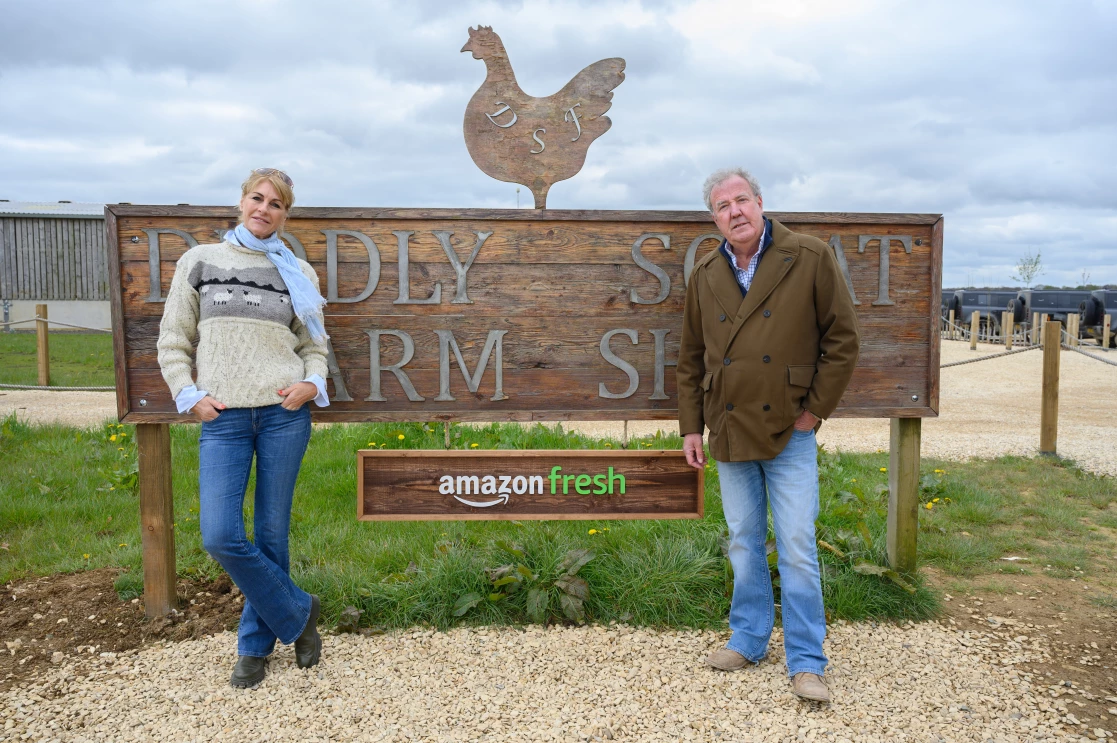
Clarkson’s Farm, the Amazon Prime series that follows former Top Gear host Jeremy Clarkson as he wrangles with the demands of running a 1,000-acre English farm, has helped boost consumer demand for British produce
Data from the online retailer Ocado suggests sales of meat, fish, fruit and vegetables from its “Best of British” aisle have increased significantly since the show returned to screens earlier this month.
Now in its third series, the programme follows Clarkson, 64, as he attempts to run Diddly Squat Farm – with no experience – in Chipping Norton, Oxfordshire.
The latest episodes have seen Clarkson introduce pigs to the farm and sell lion’s mane mushrooms, which he grew, in Diddly Squat’s shop.
According to Ocado, this has coincided with a substantial increase in sales of its pork products. Searches for the mushroom also soared by 482%, the retailer added.
The series’ focus on sustainable farming practices have also been linked to a steep rise in sales of organic produce.
Martha Springham, produce trading manager at Ocado Retail, said: “Programmes like Clarkson’s Farm show consumers just how hard Britain’s farmers work, so it’s brilliant to see our customers supporting them.”
The Diddly Squat Farm Shop secured its first major listing in Amazon Fresh stores and online last month.
Its range includes a variety of foodstuffs like jams and marmalades, in addition to gifts and homewares such as ‘This Smells Like My Bollocks’ scented candles and a ‘Cow Juice’ bottle for life.
The brand – co-founded with Clarkson’s partner Lisa Hogan – had previously only been available at the Diddly Squat Farm Shop and at two other local stores.
Hogan said: “We are thrilled to bring a range full of Diddly Squat farm personality to Amazon Fresh customers – and I think people will love what they find.
“Anything you order really will bring a little bit of the Cotswolds to your home. My favourites, including a great range of rapeseed oils, our hand cut crisps and of course bee juice honey, really will bring a smile to your face.”
Main image © Amazon
TOP STORIES
-
 OpenAI admits AI models hid mistakes, invented data and acted without permission
 -
EIB makes first small nuclear reactor investment with €40m backing for Finnish start-up
-
AI arms race could mean fewer cold emails reaching your inbox
-
Housing costs hit recruitment at 77% of large London firms, survey finds
-
SpaceX to launch one-tonne orbital factory for European space firm in 2028
-
Estonia’s e-residents launch more than 4,200 companies as business creation jumps 36%
-
Small business bank lending falls £27bn in three years as nine-in-10 areas see decline
-
Europe’s healthcare sector lags on AI uptake – but leads once it starts using it
-
Stranded drivers could soon call for help even with no mobile signal
-
NASA backs space ‘air brake’ that could cut years off missions to Uranus and Neptune
-
MPs and peers call for UK ban on AI that could evade human control
-
France orders €1.3bn in extra cuts as growth falls behind European neighbours
-
Bioweapons research, Russian-linked spies, guided rockets and cyber-attacks on Europe used Claude AI, Anthropic reveals
-
Cadbury Takes a Break as KitKat tops Britain’s social media sweet rankings
-
European network alliance doubles in size as digital sovereignty drive accelerates
-
European insurance giants join New York summit on future of AI
-
Oxford leads £10m international study as resistance threatens new TB treatments
-
Inside the world’s wildest new mini golf course with caves, 13ft waterfalls… and sharks
-
Apple’s new boss bets £1,999 on first folding iPhone
-
‘Double delight’ as rare red pandas born at Whipsnade Zoo
-
This Japanese ski resort has just been named the world’s best place for seasonal work
-
Nearly 4m Londoners experienced mental health challenges last year, study finds
-
Card fraud accounts for more than one-in-three UK identity fraud cases
-
Breast cancer campaigners target Burnham at PMQs over £20m research fund
-
Europe leads world in quantum research despite deep industry scepticism