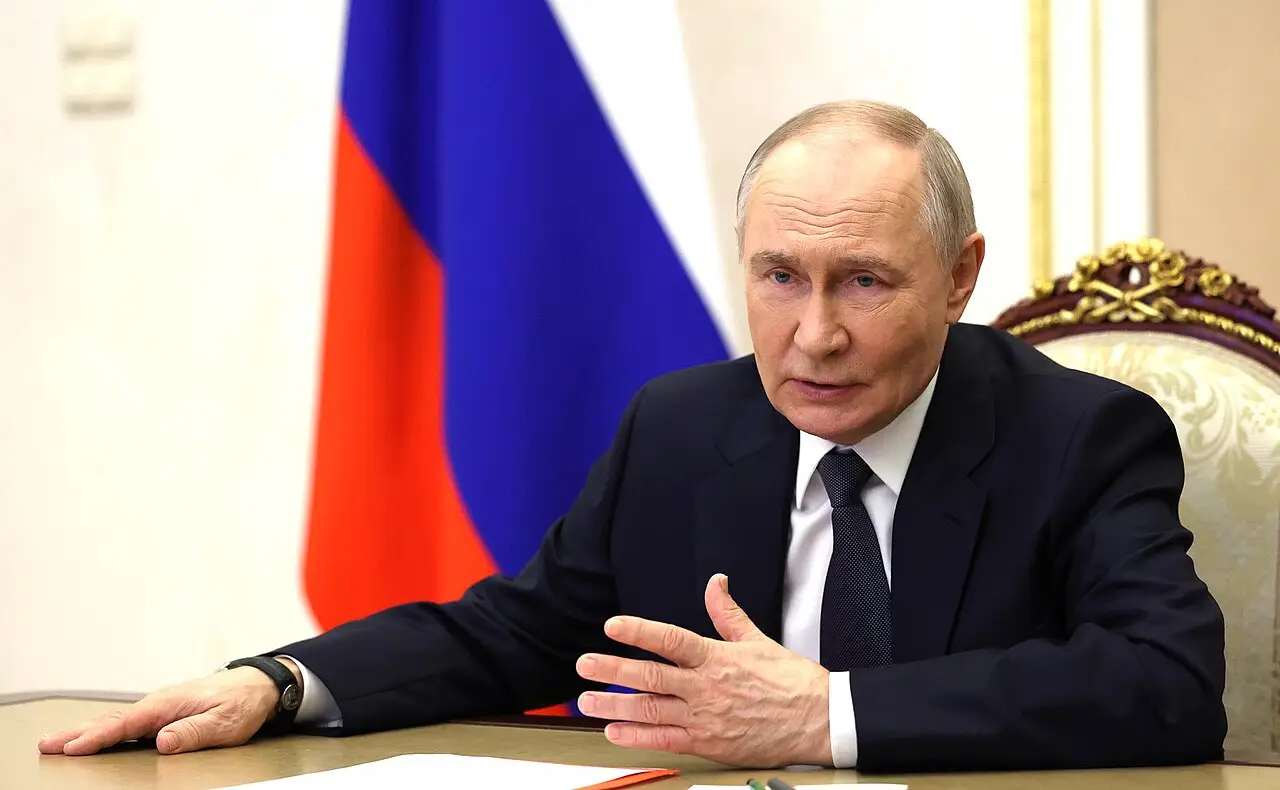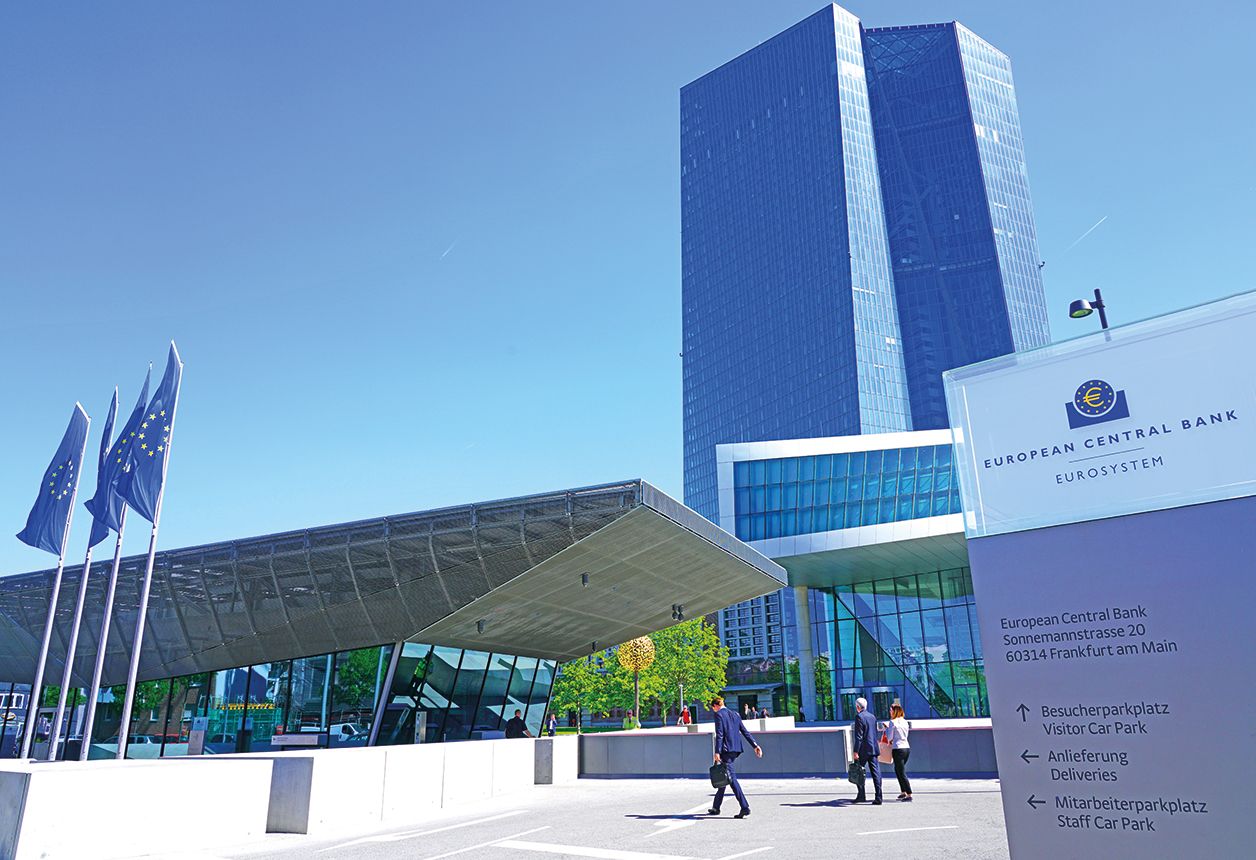
The European Central Bank should limit the rise in borrowing costs of more indebted eurozone members but will not solve their debt issues or let budget concerns dictate monetary policy, ECB policymaker Olli Rehn has said.

In an emergency meeting in late June, the ECB decided to direct bond reinvestment to help nations on the bloc’s southern rim, and to devise a new instrument to contain divergence in borrowing costs. But ECB action will only go as far as preventing “unwarranted” market moves and will not help countries in case of profound debt issues, Rehn, Finland’s central bank chief, said at an event organised by the Dallas Federal Reserve. “We are fully committed to preventing fiscal dominance – and/or financial dominance, for that matter,” Rehn said, referring to a situation when fiscal, not monetary, considerations dictate central bank policy.
“In the case of more profound structural economic weaknesses and debt sustainability problems, there is always the option to activate Outright Monetary Transactions.” OMT, a never-used emergency debt purchase scheme, can only be activated if a country is taking part in an economic adjustment programme, a politically unpopular option since the bloc’s debt crisis a decade ago.

Borrowing costs have risen sharply around the world this year as high inflation is forcing central banks to raise interest rates to prevent rapid price growth from getting entrenched. Italy, with gross debt of around 150% of GDP, is among the most vulnerable in the bloc and the ECB sprang into action when its 10-year borrowing cost surged, exceeding Germany’s by 250 basis points. Rehn said that help to individual members will only go as far as ensuring that monetary policy gets transmitted to all corners of the bloc and inflation is brought under control.
“While fiscal-monetary interaction is a basic feature of policy coordination in a currency union like the eurozone, it cannot be in contradiction with the independence of central banks,” he said. The ECB promised hikes in July and September, and said further moves are also likely in the fight against high inflation.
Further information