For the price of a London townhouse, buyers can snap up their very own island off the Welsh coast – a restored 19th-century fortress complete with helipad, rooftop bar, nightclub and room for 800 guests, now on the market for £3million
A Welsh island complete with 19th-century fort, helipad, rooftop bar and even its own nightclub has gone up for sale for £3million.
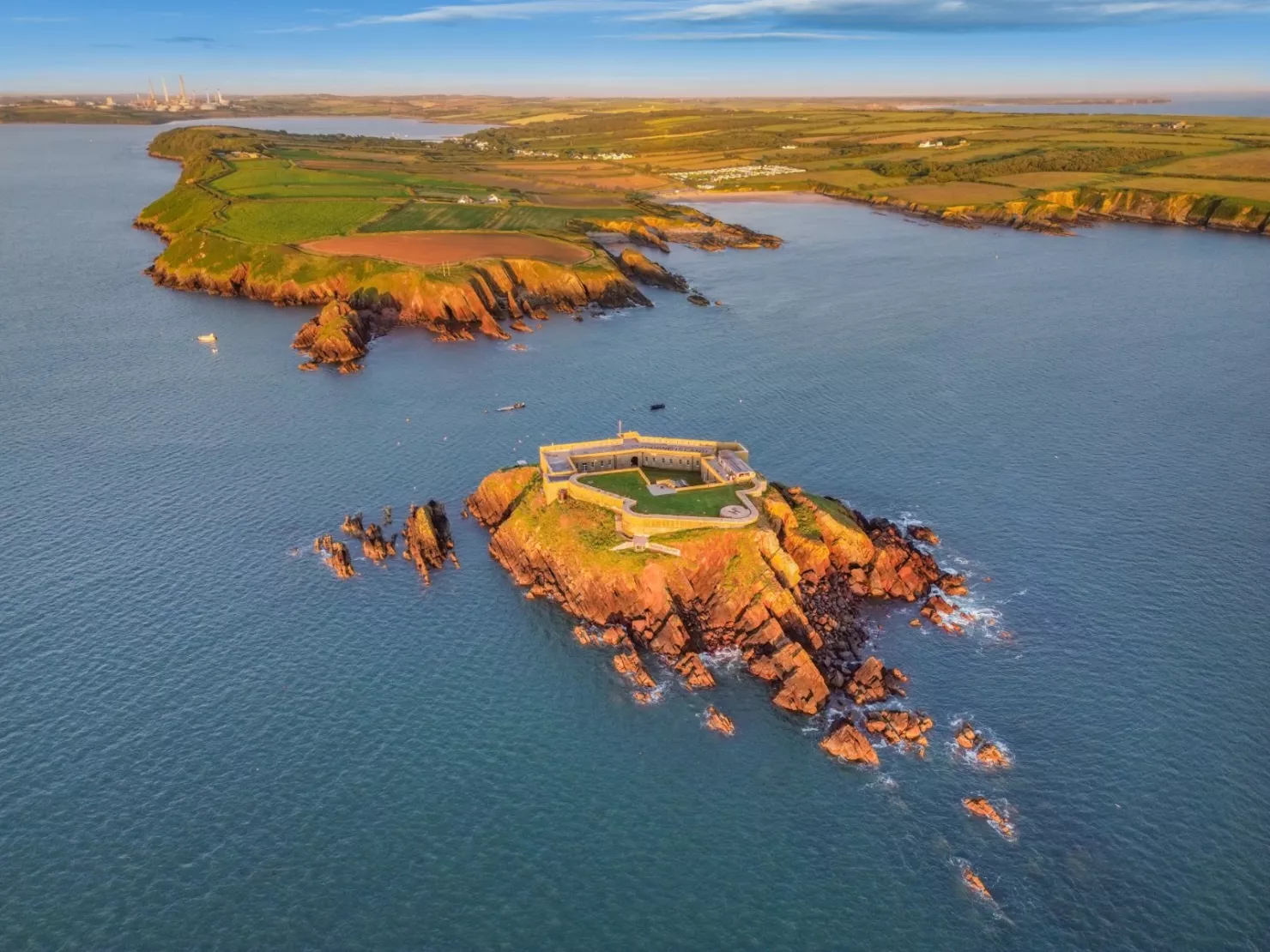
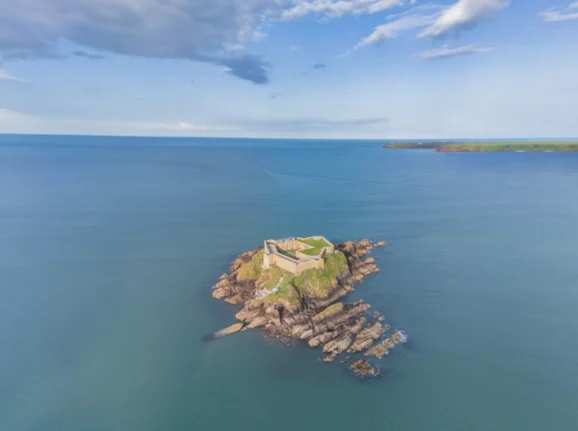
Thorne Island, a 2.5-acre private outcrop three nautical miles from Milford Haven in Pembrokeshire, hit the market this week.
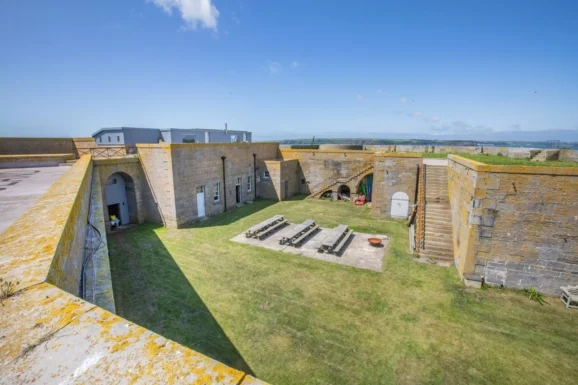
The Grade II-listed stronghold was built between 1852 and 1854 as part of Britain’s coastal defences against a feared Napoleonic invasion.
Once home to 100 men, the granite fortress has seen military duty, weddings, stag parties and hotel guests, but is now on the hunt for a new owner.
It comes with a colourful history, and a hefty price tag.
British tech entrepreneur Mike Conner, 52, snapped up the derelict fort in 2017 for just £555,000 after spotting it on YouTube. At the time, it had been abandoned for 17 years, waterlogged, and without power or plumbing.
“There was no electric, no water, and any food or waste needed to come back off,” he said. “My wife was pretty cross when I first said I bought it — she said she would stay once it had a flushing loo, which is pretty reasonable.”
That first flush proved eye-wateringly expensive. Cutting 16ft through rock to install a biodigester pump cost £200,000.
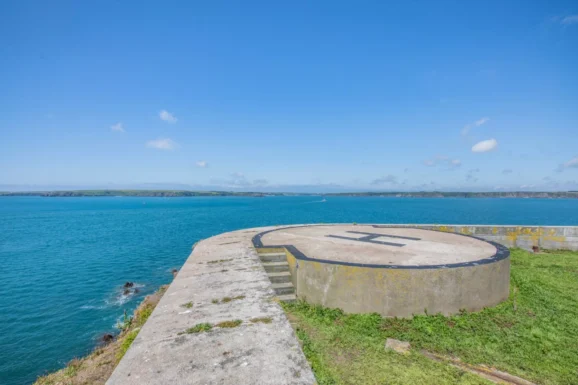
Conner, founder of Appsbroker (later Qodea), went on to sink more than £2million into the renovation. The works took almost five years and required 350 helicopter trips in just two days to ferry in materials, from topsoil and heat pumps to scaffolding.
A team of six builders lived on-site for four years, working in barracks conditions without showers, charging phones off generators and taking dips in the sea to wash.
“They’d spend two weeks covered in dust, living rough,” Conner said. “It was tough, but most of them stayed — you couldn’t predict how many people would want to help.”
Sandblasting damp walls took six months alone. Granite blocks were so saturated they repeatedly flooded. But slowly the fortress came back to life.
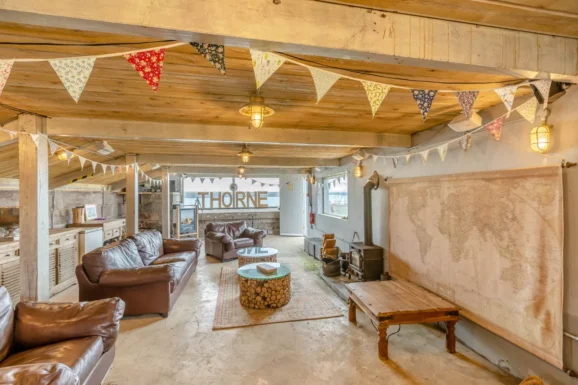
Today, Thorne Island boasts 40 beds, five plush bedrooms, four en-suite bathrooms, a sea-view office, grand dining halls, vaulted living rooms and multiple terraces.
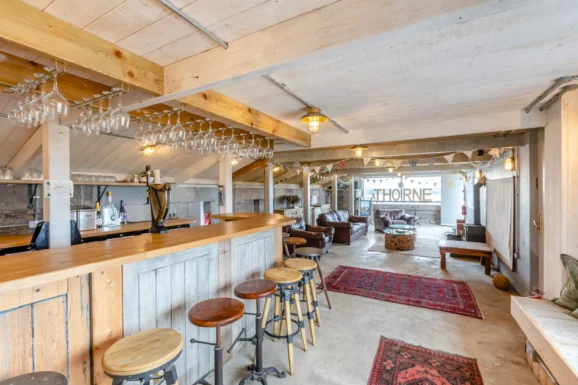
A rooftop bar and games room crown the building, while its own nightclub lies inside. Conner has hosted everything from family stays to a 50th birthday festival complete with tightrope walker in the courtyard.
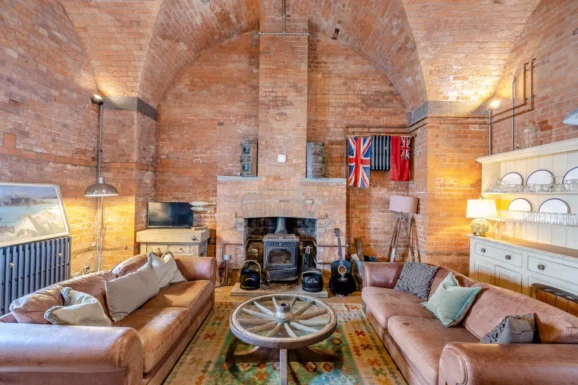
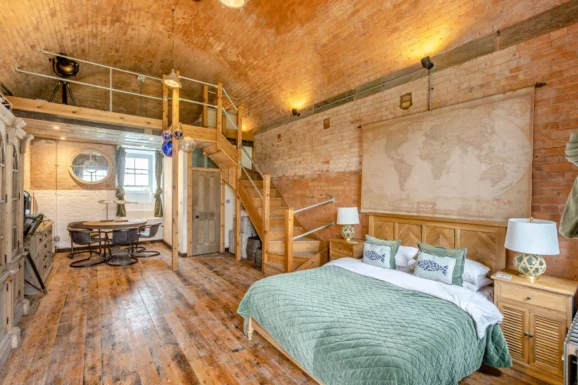
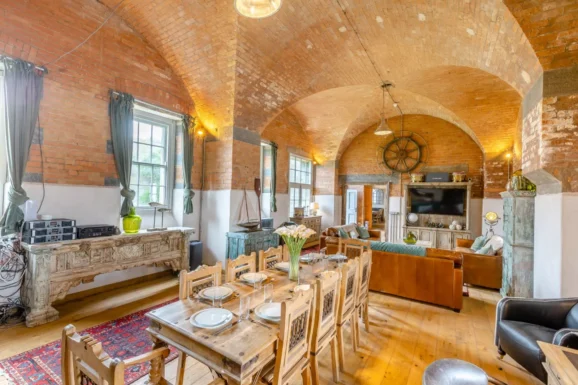
With no neighbours, the island can host up to 800 guests for events. “It’s an unbelievable 24-hour experience,” he said. “The potential is huge — retreats, parties, or simply a hideaway.”
The island is now fully self-sufficient thanks to £300,000 of renewable energy. Solar panels, battery storage and a biodigester mean no bills — and no bin collections either.
“People are surprised when I hand them a bin liner and say it needs to go back with them,” Conner joked.
The fortress has been reinforced to survive salt air and storm-force winds. Conner calls it “a healthy mid-life crisis by some of my friends’ standards” — one that lifted the lid on his own roots.
Although originally from Gloucestershire, he discovered during the project that his mother grew up at nearby Upton Castle, making him a quarter Welsh.
Thorne’s story stretches back 170 years. Built to guard the busy port of Milford Haven, it later became a hotel in 1947 and was hired out for weddings, birthdays and stag dos until its closure in 1999.
It was briefly bought by the Von Essen hotel group, who promised a £4m relaunch with a cable car to the mainland. But plans collapsed, leaving the fortress empty until Conner’s chance YouTube discovery.
Conner, who sold his software company during the renovation, says the project changed him.
“As a CEO you live by a calendar of meetings. On the island, time stops. It’s off-grid, people put down their phones. It feels real.”
But after six years of work, he’s ready to move on. “I’ve enjoyed the journey. I think I’d like to find another basket case.”
Estate agent Strutt & Parker, handling the sale, describe Thorne Island as a “blank canvas” for its next custodian — whether as a luxury retreat, tourist attraction or the ultimate private party pad.
And Conner says he’ll be back if invited. “If there are any events there, I’d crawl over broken glass to get back.”
Photos: Strutt & Parker