
Bleisure Travel: The Rise Of Mixing Business With Pleasure

John E. Kaye
- Published
- MICE
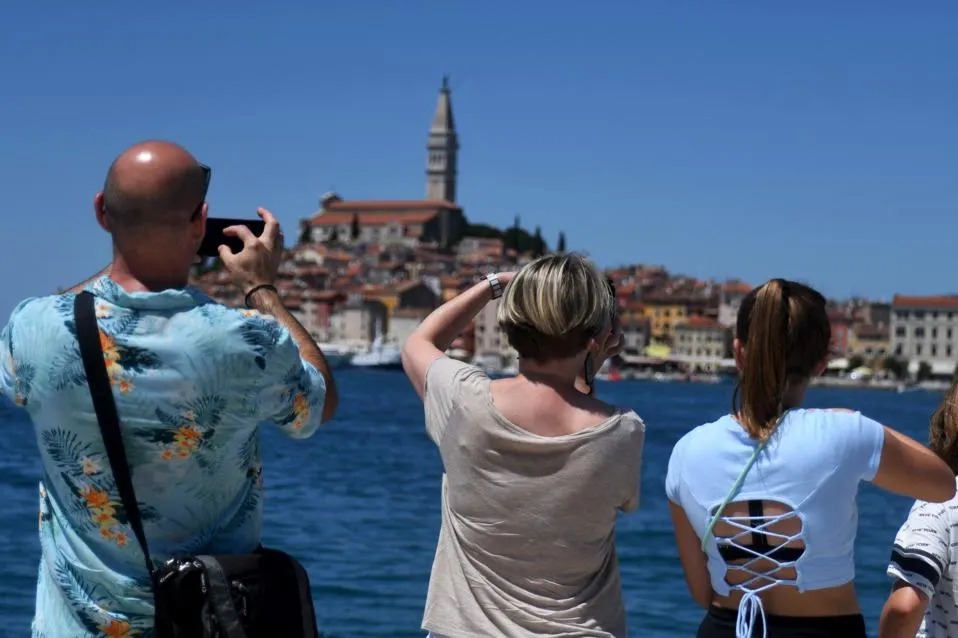
The concept of a “‘workcation,” in which people travel to a vacation destination but work while on the trip in order to save paid time off, has been around for many years. However, “bleisure” – which merges the words leisure and business – adds extra days at the beginning or end of a business trip, thereby offering employees some additional rest and relaxation before or after diving into work.
Bleisure trips became very popular a few years ago after travel restrictions were lifted and a growing number of workers started returning to business trips. Often wanting to take their loved ones with them for a respite from the isolation everyone had been subjected to, these trips evolved into hybrids of work and pleasure.
Chrisy Ranallo, Director of Sales & Marketing at Skytop Lodge in the Pocono Mountains of northeast Pennsylvania, hosts many bleisure travelers. She explains, “Many business events have a full itinerary in a conference room setting, so they have not been able to explore the 5,500 acres and everything we have to offer. We often get requests for the group guests to extend their stays and invite their families for the weekend, since we are an easy two hour drive from Philadelphia, New York and New Jersey. Our resort offers an array of summer activities and breathtaking views for unwinding.”
Research indicates that nearly half of American workers now embrace the concept of bleisure travel, and bleisure trips currently reach a worldwide market value of nearly $600 billion. Research indicates this market is expected to grow by around 500% or more over the next decade.
According to Routespring, a top-rated travel management platform that caters to the growing bleisure travel market, around 40% of business trips are extended for bleisure travel. Bleisure trips have seen significant growth in the last decade, with estimates suggesting a 20% increase from 2016. This trend has continued to accelerate, driven by factors like changing work dynamics, the desire for more personal and work balance and the relative affordability of adding personal time to business trips. Popular forms of bleisure travel include:
- City breaks: Extending a business trip to a major city to explore its cultural attractions, museums.
- Adventure travel: Combining a work conference in a scenic location with outdoor activities like hiking, skiing, or water sports.
- Visiting friends and family: Using a work trip to catch up with loved ones in a different city or country.
- Relaxation getaways: Adding a few days to a business trip to unwind at a resort or spa.
TOP STORIES
-
 New Springer books put the UN’s struggling sustainability goals to the real-world test
 -
Europe’s solar boom set for two-year slowdown after record growth
-
Strong leaders know when to make a U-turn
-
Let it pea. Musicians turn vegetables into instruments at Beatles' Abbey Road studios
-
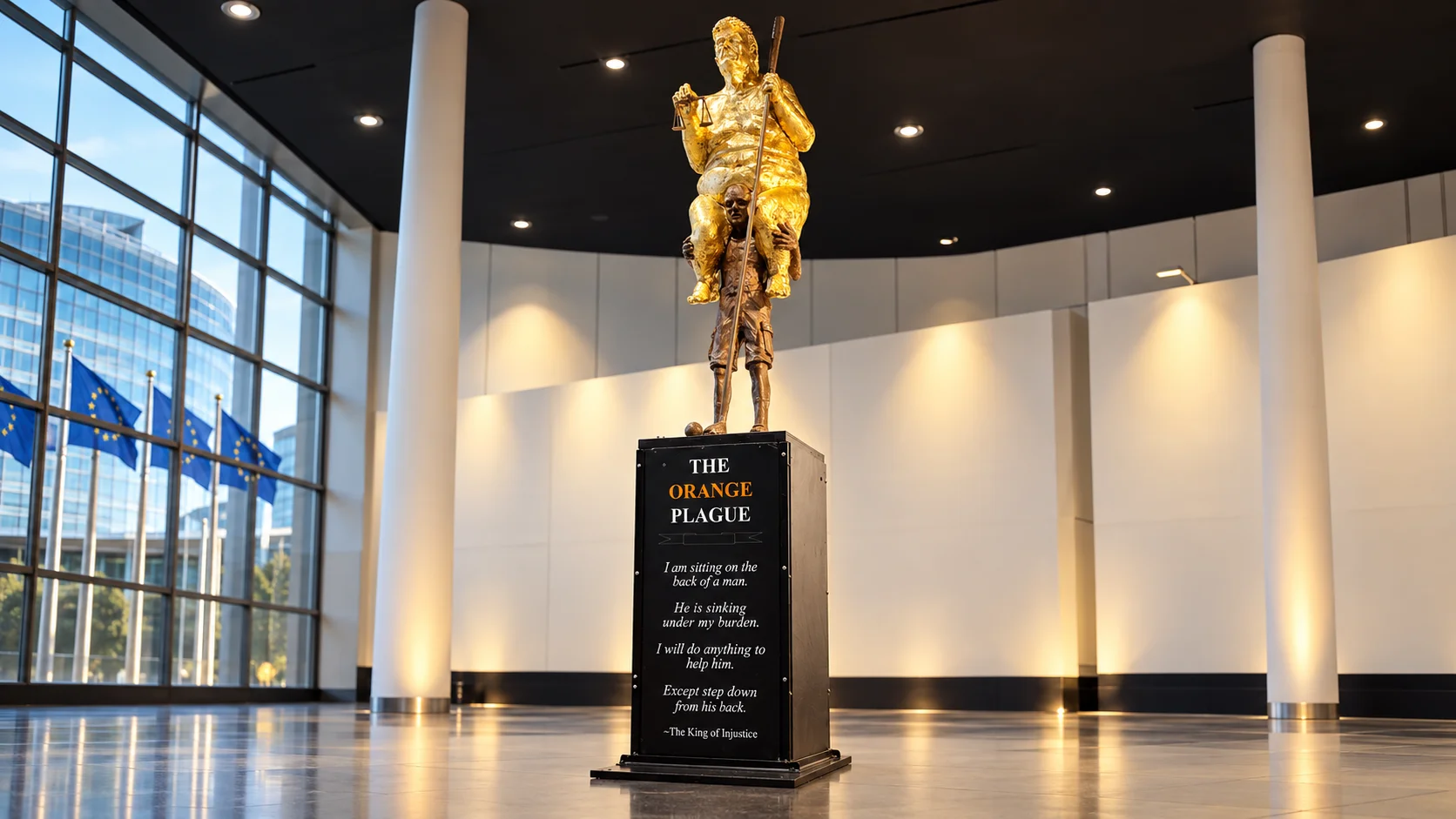
Golden naked Trump statue unveiled at European Parliament
-
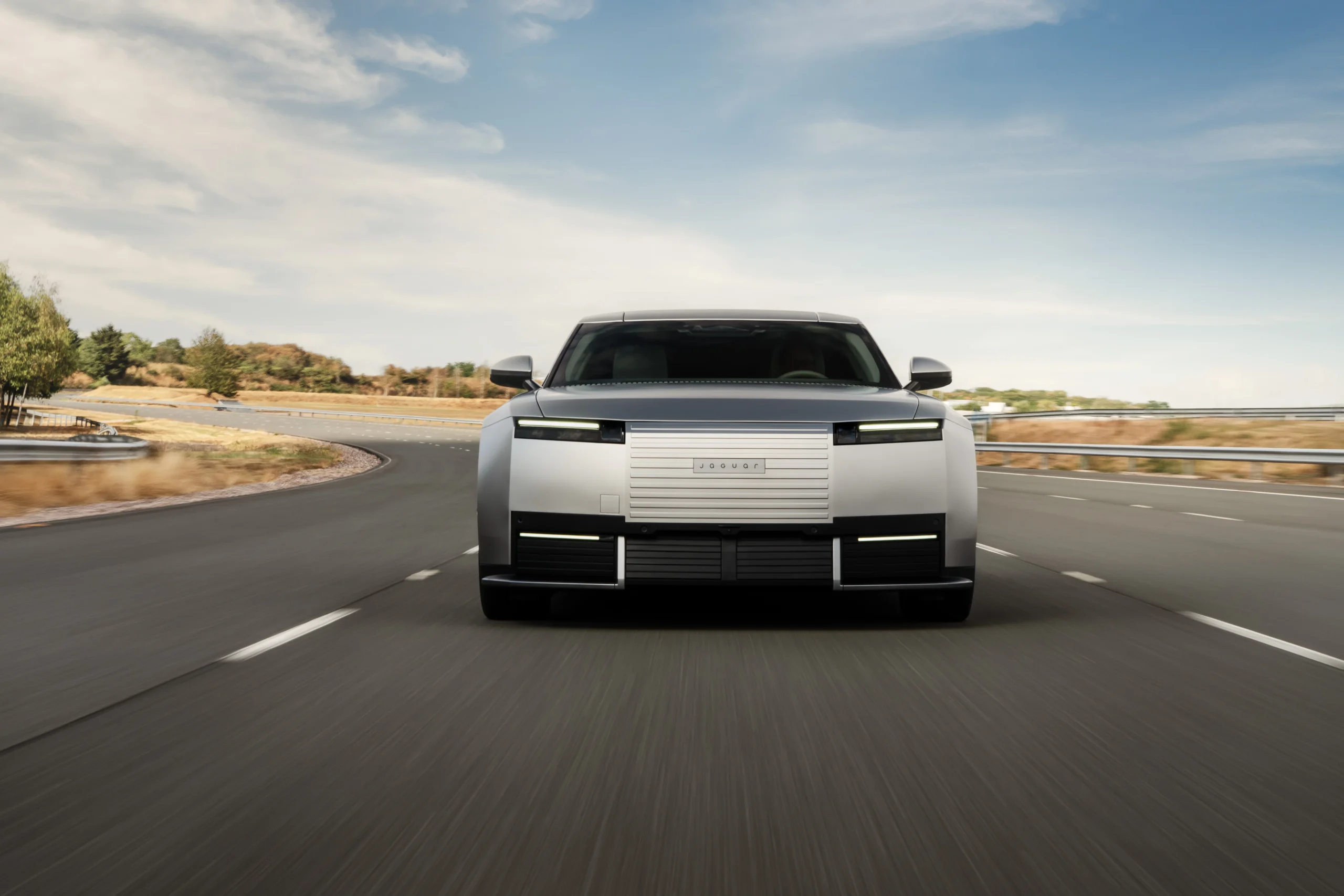
Jaguar puts controversial rebrand on the road with £130K 1,030PS Type 01
-
Deepfakes and identity fraud drive new wave of post-hire background checks
-
Life’s last expedition should not be made alone
-
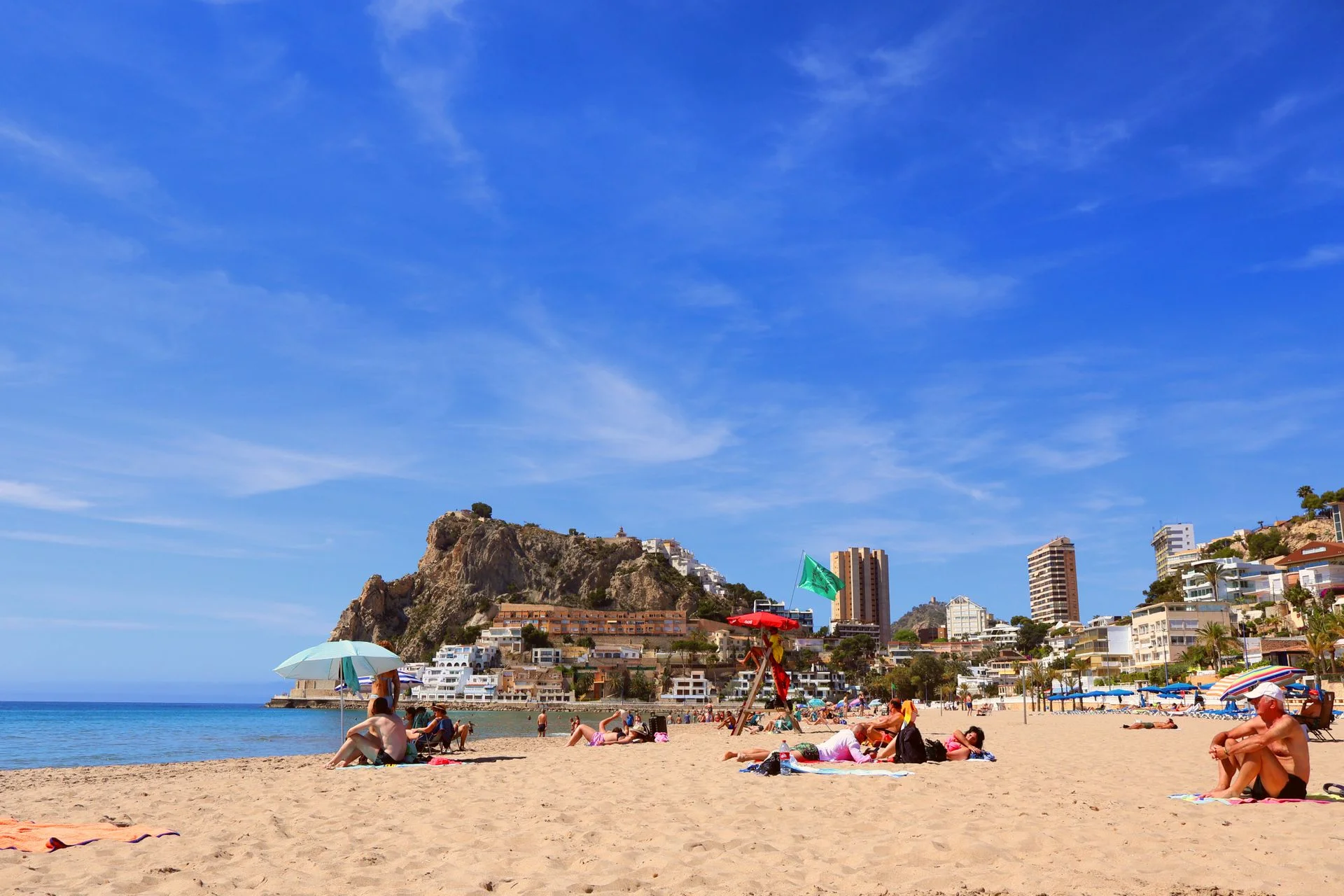
Spain crowned Europe’s top retirement destination
-
More than half of UK professionals report workplace burnout
-
If the NHS can’t be a place of psychological safety for staff, where can?
-
Under fire, Iran’s carpet weavers fight to keep an ancient art alive
-
‘Ideas are worthless’ says Costa Rica startup expert as he calls on tenacious entrepreneurs to head for its ‘startup beach’
-
Yeah, baby! BMW M350 xDrive makes UK debut at 1970s-themed Bicester Scramble
-
More than 1.2m English drivers may have eyesight too poor for the road, study finds
-
David Reuben, Britain’s second richest person, leaves London for Monaco
-
How COVID silenced my music and taught me to listen to my body
-
UK prisoner release plan faces a major lag as tougher rules risk sending inmates back to jail
-
Brits trust AI with their health but not their money
-
Britain still hungry for Italian food as exports hit €4.56bn despite Brexit
-
Women who earn more than their partners still pay the price at work, landmark study finds
-
I was one of the last Western women in Tehran after the Iranian Revolution
-
Marisa Papen – the naked truth behind one of the world's most controversial models
-
The blame game – why Britain can't stand losing
-
Vape expectations go up in smoke as new UK tax sparks fury






Bleisure Travel: The Rise Of Mixing Business With Pleasure
John E. Kaye
- Published
- MICE
The concept of a “‘workcation,” in which people travel to a vacation destination but work while on the trip in order to save paid time off, has been around for many years. However, “bleisure” – which merges the words leisure and business – adds extra days at the beginning or end of a business trip, thereby offering employees some additional rest and relaxation before or after diving into work.
Bleisure trips became very popular a few years ago after travel restrictions were lifted and a growing number of workers started returning to business trips. Often wanting to take their loved ones with them for a respite from the isolation everyone had been subjected to, these trips evolved into hybrids of work and pleasure.
Chrisy Ranallo, Director of Sales & Marketing at Skytop Lodge in the Pocono Mountains of northeast Pennsylvania, hosts many bleisure travelers. She explains, “Many business events have a full itinerary in a conference room setting, so they have not been able to explore the 5,500 acres and everything we have to offer. We often get requests for the group guests to extend their stays and invite their families for the weekend, since we are an easy two hour drive from Philadelphia, New York and New Jersey. Our resort offers an array of summer activities and breathtaking views for unwinding.”
Research indicates that nearly half of American workers now embrace the concept of bleisure travel, and bleisure trips currently reach a worldwide market value of nearly $600 billion. Research indicates this market is expected to grow by around 500% or more over the next decade.
According to Routespring, a top-rated travel management platform that caters to the growing bleisure travel market, around 40% of business trips are extended for bleisure travel. Bleisure trips have seen significant growth in the last decade, with estimates suggesting a 20% increase from 2016. This trend has continued to accelerate, driven by factors like changing work dynamics, the desire for more personal and work balance and the relative affordability of adding personal time to business trips. Popular forms of bleisure travel include:
- City breaks: Extending a business trip to a major city to explore its cultural attractions, museums.
- Adventure travel: Combining a work conference in a scenic location with outdoor activities like hiking, skiing, or water sports.
- Visiting friends and family: Using a work trip to catch up with loved ones in a different city or country.
- Relaxation getaways: Adding a few days to a business trip to unwind at a resort or spa.
TOP STORIES
-
New Springer books put the UN’s struggling sustainability goals to the real-world test
-
Europe’s solar boom set for two-year slowdown after record growth
-
Strong leaders know when to make a U-turn
-
Let it pea. Musicians turn vegetables into instruments at Beatles' Abbey Road studios
-
Golden naked Trump statue unveiled at European Parliament
-
Jaguar puts controversial rebrand on the road with £130K 1,030PS Type 01
-
Deepfakes and identity fraud drive new wave of post-hire background checks
-
Life’s last expedition should not be made alone
-
Spain crowned Europe’s top retirement destination
-
More than half of UK professionals report workplace burnout
-
If the NHS can’t be a place of psychological safety for staff, where can?
-
Under fire, Iran’s carpet weavers fight to keep an ancient art alive
-
‘Ideas are worthless’ says Costa Rica startup expert as he calls on tenacious entrepreneurs to head for its ‘startup beach’
-
Yeah, baby! BMW M350 xDrive makes UK debut at 1970s-themed Bicester Scramble
-
More than 1.2m English drivers may have eyesight too poor for the road, study finds
-
David Reuben, Britain’s second richest person, leaves London for Monaco
-
How COVID silenced my music and taught me to listen to my body
-
UK prisoner release plan faces a major lag as tougher rules risk sending inmates back to jail
-
Brits trust AI with their health but not their money
-
Britain still hungry for Italian food as exports hit €4.56bn despite Brexit
-
Women who earn more than their partners still pay the price at work, landmark study finds
-
I was one of the last Western women in Tehran after the Iranian Revolution
-
Marisa Papen – the naked truth behind one of the world's most controversial models
-
The blame game – why Britain can't stand losing
-
Vape expectations go up in smoke as new UK tax sparks fury



