Just one in five offices has a hybrid working policy in place – new research from Ricoh Europe

John E. Kaye

Just one in five offices has a hybrid working policy in place
New research released today shows a lack of planning and investment in hybrid working is threatening to derail a widespread successful return to the office.
The research, conducted by Opinium for Ricoh Europe, polled 3,000 office workers across the UK, Ireland, France, Germany, Italy, the Netherlands and Spain. It found they remain cautious about returning to the office full time, highlighting the importance of flexible hybrid working for organisations.
Just one-in-five (19%) say their workplace has a hybrid working policy in place. At the same time, inadequate technology and collaborative working environments are holding back the realisation of more accommodating and agile ways of working. Under half (45%) have seen an increase in meeting room communication technology to aid hybrid working, while almost one-in-four (23%) say the amount of collaboration space in their office has decreased. In addition, less than a third (32%) believe there has been an increase in safe access to equipment, such as lockers for picking up IT equipment, without having to meet a colleague face-to-face. This could cause significant friction for employees seeking to return to the office, discouraging them from being present on a regular basis. If left unaddressed, workplace productivity could decline while top talent seeks more flexible employment.
At a time when demand for talent is at an all-time high, more than a third of workers (36%) feel pressured to return to the office by their employer – an increase of 29% from a similar study conducted in 2020. Almost two-thirds (64%) believe it should be the individual’s choice to return to the office in 2022, reinforcing the requirement for senior leaders to balance employee preference with business need as they shape hybrid working policies.
David Mills, CEO, Ricoh Europe, says: “Providing the right collaboration tools to create a positive working experience for everyone, no matter where they are, is vital for employers as restrictions ease. Failure to do so risks creating an experience gap between those in the office and those working remotely.”
Importantly, trust between businesses and their workforce has improved throughout the course of the pandemic. Almost two-thirds (64%) of employees think their employers are more confident in their ability to stay motivated and productive when working remotely – a 23% increase compared to a similar study in 2021.
Mills adds:“After two years of on again, off again restrictions, the world of work continues to evolve. Employees are rightfully looking to their employers to lead this change at work. The research shows that employers have come a long way in building trust with their workforce. Creating a workplace that truly embraces hybrid working is the next vital step in the journey. While there are many benefits of having people work together in the same room, hybrid working will be here for the foreseeable future. Investing in hybrid working now is an investment in the future – it will improve productivity and help with talent retention.”
For further information:
www.ricoh-europe.com.
TOP STORIES
-
 NASA backs space ‘air brake’ that could cut years off missions to Uranus and Neptune
 -
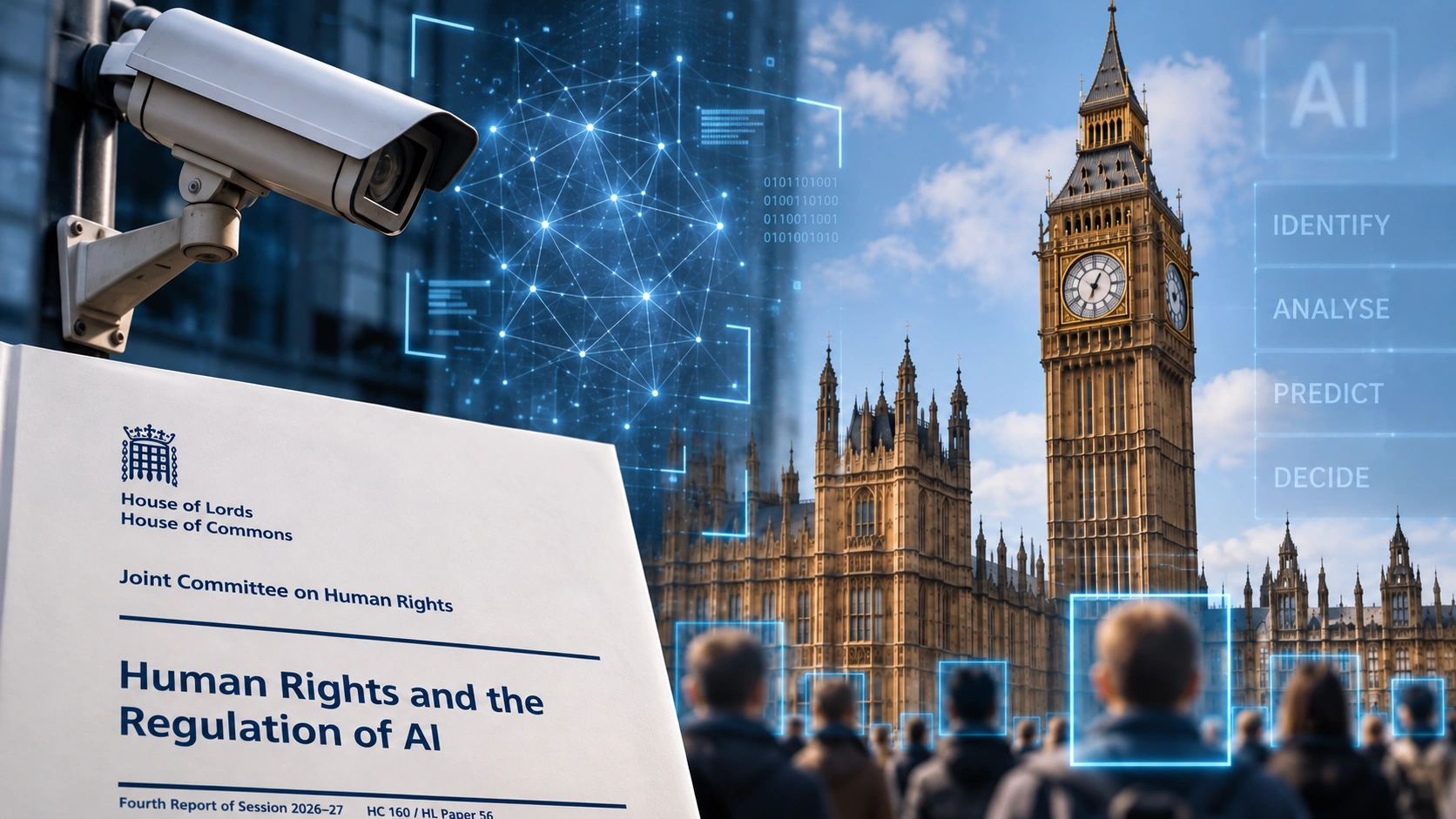
MPs and peers call for UK ban on AI that could evade human control
-
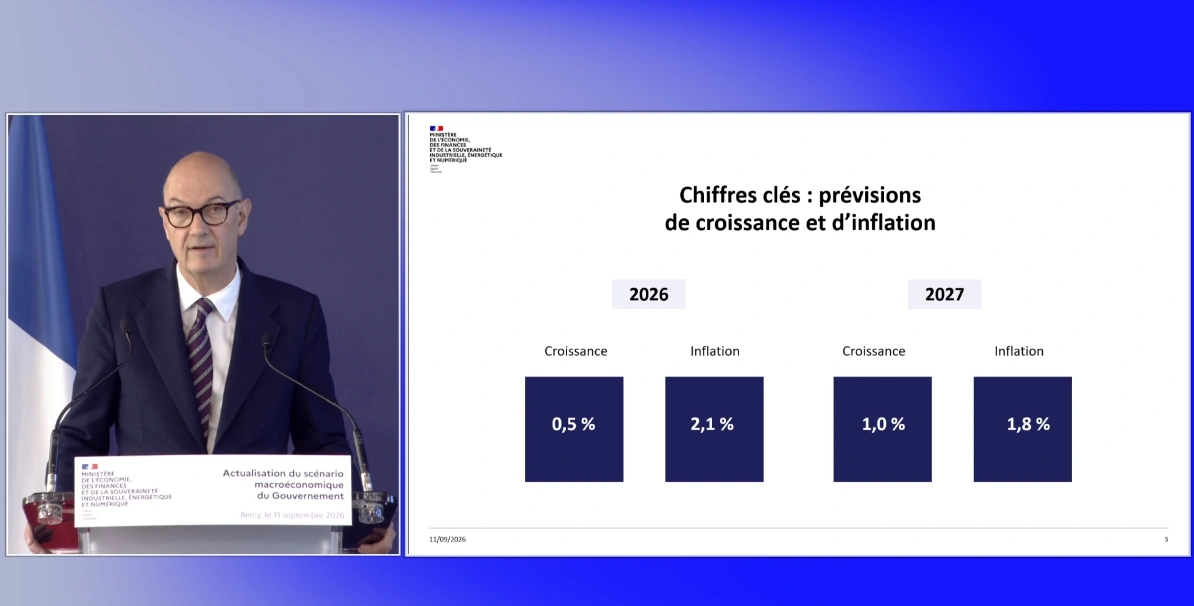
France orders €1.3bn in extra cuts as growth falls behind European neighbours
-
Bioweapons research, Russian-linked spies, guided rockets and cyber-attacks on Europe used Claude AI, Anthropic reveals
-
Cadbury Takes a Break as KitKat tops Britain’s social media sweet rankings
-
European network alliance doubles in size as digital sovereignty drive accelerates
-
European insurance giants join New York summit on future of AI
-
Oxford leads £10m international study as resistance threatens new TB treatments
-
Inside the world’s wildest new mini golf course with caves, 13ft waterfalls… and sharks
-
Apple’s new boss bets £1,999 on first folding iPhone
-
‘Double delight’ as rare red pandas born at Whipsnade Zoo
-
This Japanese ski resort has just been named the world’s best place for seasonal work
-
Nearly 4m Londoners experienced mental health challenges last year, study finds
-
Card fraud accounts for more than one-in-three UK identity fraud cases
-
Breast cancer campaigners target Burnham at PMQs over £20m research fund
-
Europe leads world in quantum research despite deep industry scepticism
-
Australia plans social media algorithm ‘off switch’ in move Europe could follow
-
European central banks move gold out of U.S as 'geopolitical risks' mount
-
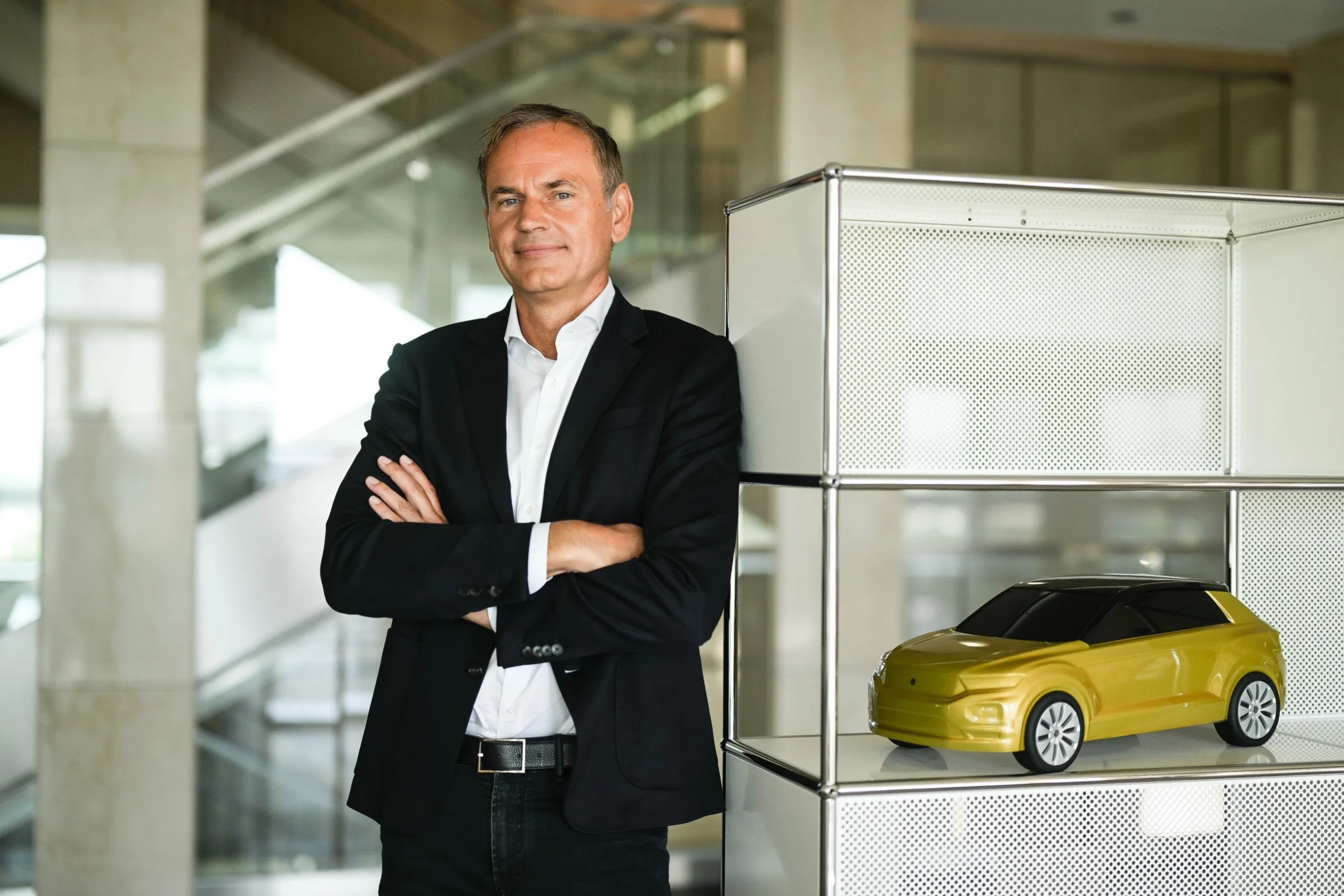
Volkswagen plans another 50,000 job cuts in sweeping overhaul
-
Uber launches UK’s first autonomous ride-hailing service in London
-
Hackers could plunge Britain into darkness in less than two minutes, report warns
-
BP appoints Ian Tyler chairman after Albert Manifold ousting
-
Del Boy’s bent cop nemesis inspired David Jason to become a TV detective
-
Products made in space move closer to commercial reality
-
Snickers creates ‘world’s first digital chocolate bar’ for misbehaving AI